2026-02-10 • 9 min
Shiatsu: complete guide (origins, how it works, benefits, who it’s for, cautions)
A serious Shiatsu guide: principles, what a session looks like, benefits, differences vs massage, who it’s for and cautions.
Japanese pressure practice: release, balance, nervous-system regulation.
Shiatsu — complete guide
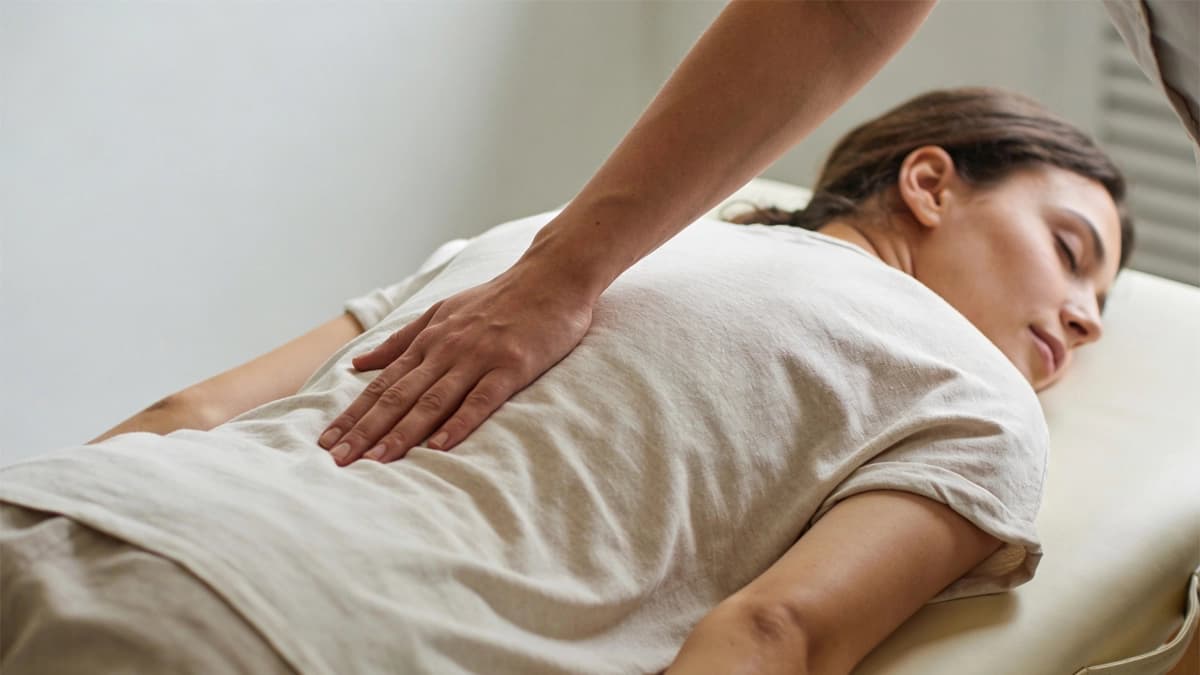
Shiatsu is a Japanese hands-on practice based on steady pressure (often thumbs and palms) on key areas of the body. The goal is to support overall balance: release tension, calm the nervous system and help recovery. It’s usually done fully clothed, without oil, with intensity adjusted to breathing.
Origins and foundations
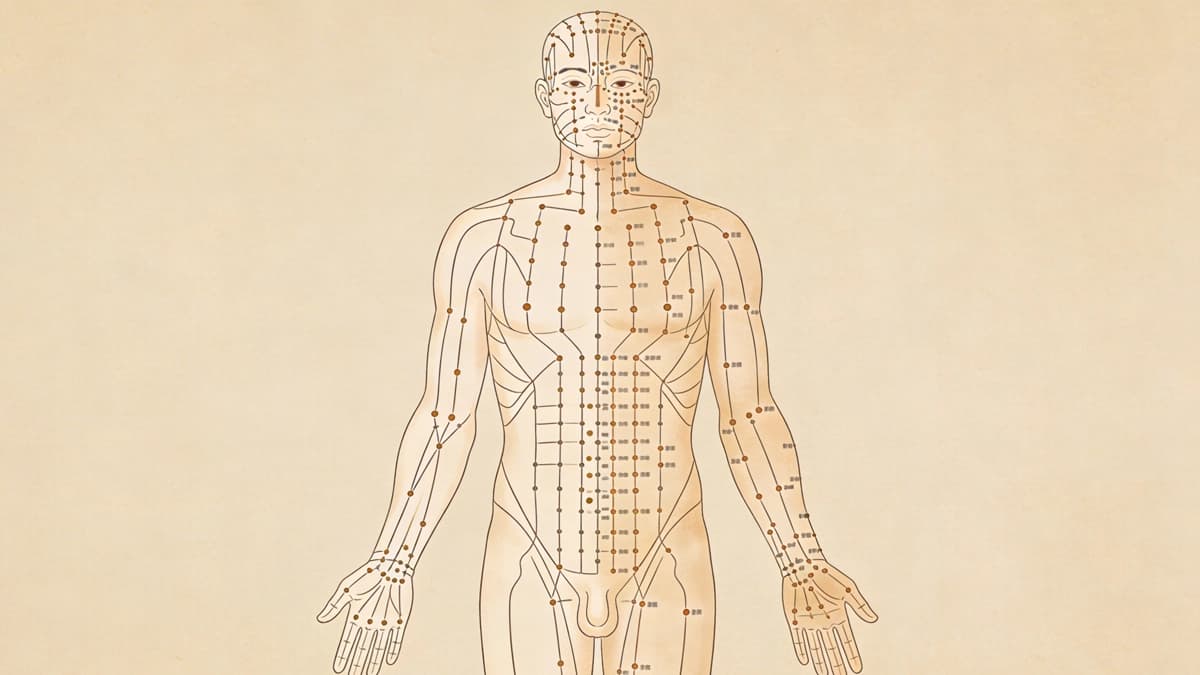
The word shiatsu literally means “finger pressure” (shi = finger, atsu = pressure). Modern shiatsu developed in Japan in the early 20th century, building on older practices such as Anma (traditional Japanese massage) and East Asian medical concepts (meridian networks and the circulation of vital energy often called Qi). Today, there are several schools/styles—some very structured, others more “listening-based”.
How Shiatsu works (for real)
Shiatsu works on multiple layers at once: tissues (muscles/fascia), breathing, and stress regulation. The gestures can look simple, but the quality of pressure is subtle.
Physical level: tissues, tension, mobility
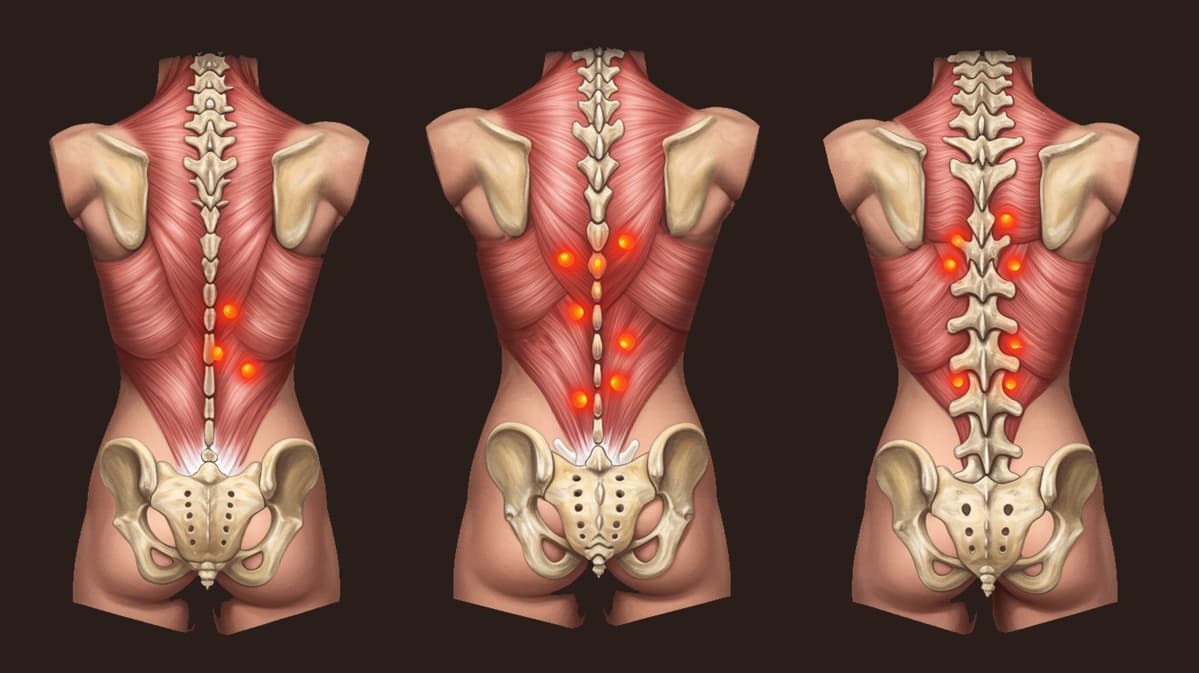
Sustained pressure can help release tight areas (neck, traps, lower back, hips). Practitioners often work with fascial tension and gentle mobility, improving the feeling of space, suppleness and circulation.
Nervous-system level: calm the alert state, support recovery
Slow rhythm, “breathable” pressure and emphasis on letting go tend to support parasympathetic activation (recovery mode). Typical outcomes: fuller breathing, less internal agitation, feeling more grounded—especially when stress is a key driver of tension.
Energetic level: meridians and overall balance
In meridian-based approaches, tension is seen as a disturbance in circulation. Working along specific pathways aims for a global effect—not only local relief. Even without “energy” language, many report a whole-body reset: deep calm and coherence.
Commonly reported practical benefits
Stress / anxiety
Calmer state, easier to unwind, freer breathing
Back / neck / shoulders
Progressive tension release, feeling “unlocked”
Sleep
Easier falling asleep and deeper rest for some
Fatigue
Recovery feeling (sometimes after a healthy post-session tiredness)
Digestion (indirect)
For some: improvement via reduced stress and abdominal relaxation
Sports recovery
Release of muscle chains, mobility, more comfortable recovery
Who is Shiatsu ideal for?
- High stress / overthinking / mental overload
- Desk work: neck/traps locked, heavy lower back
- Diffuse tension (whole-body tightness, not just one spot)
- Athletes: gentle recovery, mobility, overload prevention
- Nervous fatigue / hypersensitivity: grounding and calm
- People who prefer clothed sessions, no oil
Shiatsu vs classic massage: real differences
Shiatsu
Sustained pressure (thumbs/palms), sometimes stretches
Massage
Gliding movements, kneading, often with oil
Shiatsu
Paths/points + overall balance focus
Massage
Local muscular focus depending on the style
Shiatsu
Strong stress/nervous-system regulation angle
Massage
More muscular/circulation/local relaxation (often)
Shiatsu
Usually clothed
Massage
Often skin + oil (not always)
Shiatsu
Slow, precise, “breathable intensity”
Massage
Intensity varies, often more mechanical
What a session looks like (clear steps)
60–90 minutes (depending on goal and session)- •1) Short check-in: goal (stress / tension / recovery), sensitive areas, current state
- •2) Setup: comfortable clothes, session on table or futon depending on practice
- •3) Progressive pressure: slow rhythm, intensity matched to breathing (never forced)
- •4) Gentle mobilizations/stretches: neck, shoulders, hips if needed
- •5) Integration: calm-down time + simple advice (hydration, rest, breathing)
After-session sensations (what’s normal)
- Deep calm, clearer mind
- Healthy tiredness can happen (recovery mode kicks in)
- Fuller breathing, shoulders drop
- More body awareness (grounding)
- Sleep often improves (not guaranteed)
Cautions / contraindications
- Fever, acute infection: postpone
- Thrombosis/phlebitis: contraindication (medical advice)
- Recent fracture/sprain: adapt or postpone
- Strong acute inflammation: avoid or adapt
- Pregnancy: possible depending on case, always tell me (adaptation)
When to choose Shiatsu over another massage?
If your main issue is stress, constant mental activity, diffuse ‘nervous’ tension or a global imbalance feeling, shiatsu is often a great choice. If you want very targeted local muscular work (sports-specific), deep tissue or sports massage may be more suitable.
Shiatsu FAQ
Does it hurt?
It shouldn’t. Some points can feel intense, but it stays breathable. If you hold your breath or brace, we reduce intensity.
How many sessions do I need?
Often one session already helps. For chronic stress or long-held tension, 2–3 spaced sessions can be more stable.
Do I need to undress?
Usually no. Shiatsu is done clothed with comfortable clothing. No oil.
Is it “energy work”?
Shiatsu comes from traditions using Qi/meridians concepts. Even without that framing, many feel concrete effects: nervous release, breathing, deep calm.
Book a Shiatsu session in the Basque Country
Send: your area (town) + your goal (stress / tension / recovery) + 2 time slots. I’ll reply quickly.
Book your massage
Send your area + your goal + 2 time slots, I’ll reply quickly.
Contact me →