2026-02-10 • 10 min
Fascia: what it is, what it does, why it hurts… and how to release it
A clear guide to fascia (connective tissue): why it tightens, how it affects pain, posture and mobility, and what actually helps.
The “invisible tissue” that connects everything: mobility, posture, pain…
Fascia, explained (no hype — practical and clear)
Fascia comes up a lot when we talk about stiffness, diffuse pain, posture or recovery. For good reason: it forms a continuous network that wraps and connects your structures, influencing how you move… and how you compensate. This guide explains what fascia is, why it tightens, and what helps in a realistic way.
What exactly is fascia?
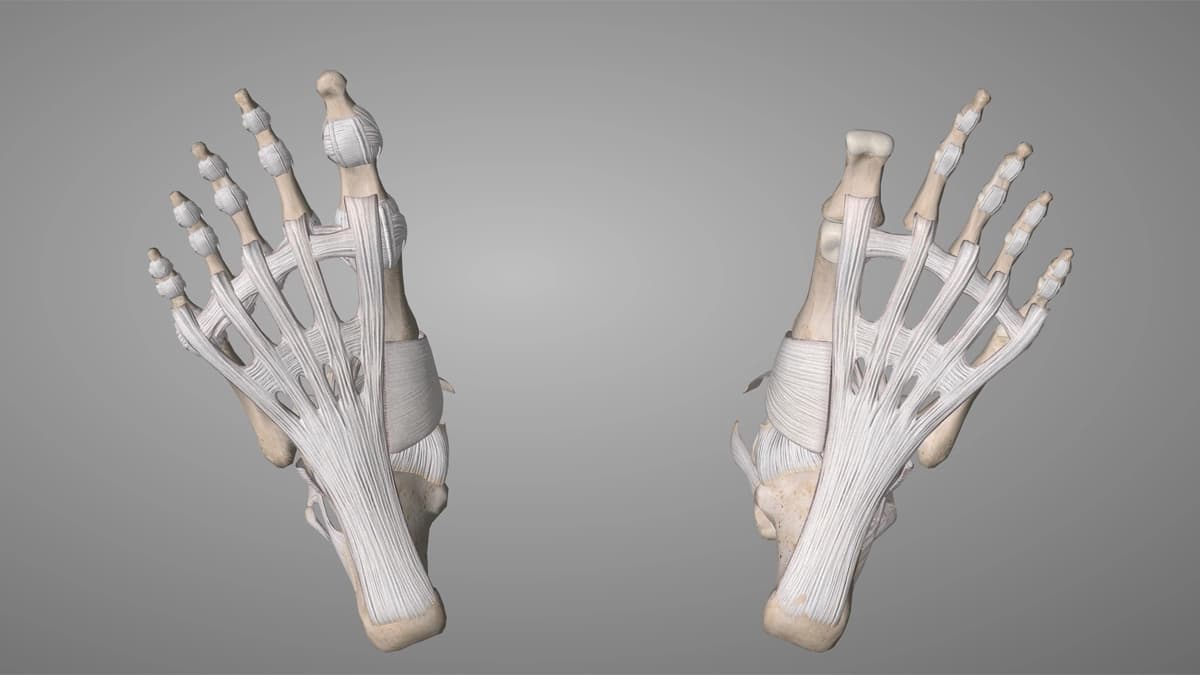
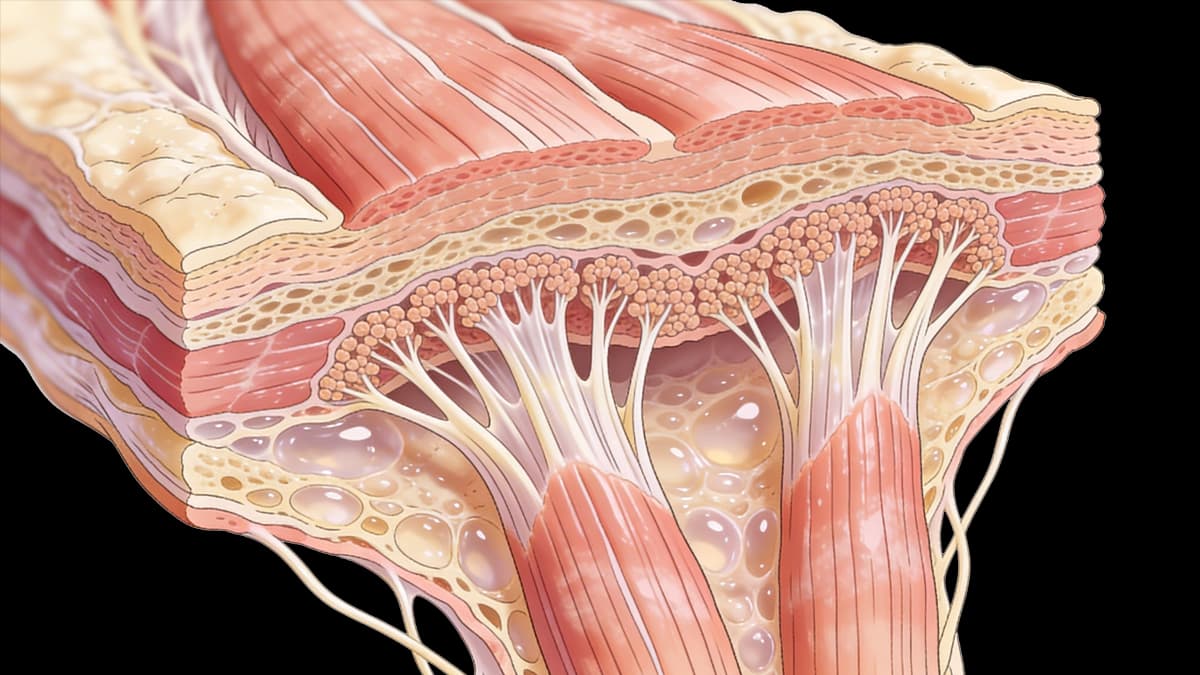
Fascia is connective tissue (rich in collagen) that surrounds, separates and links body structures. It works like an envelope and a gliding interface: when things are healthy, layers slide smoothly over each other.
- It wraps muscles (and also nerves, vessels and organs).
- It transmits forces: the body works in chains, not “parts”.
- It’s innervated: it can contribute to pain and stiffness.
- It responds to stress, inactivity, repetitive patterns and breathing.
Why fascia gets tight (common causes)
1) Sedentary time + long positions
Sitting or standing for long periods reduces movement variety. Tissues lose “glide”, and the body compensates with stiffness and overload in certain areas.
2) Stress (nervous system stuck in alert mode)
Stress raises baseline tone: shallow breathing, lifted shoulders, clenched jaw. Fascia adapts to that pattern and stiffness becomes a habit.
3) Overuse / repetitive sports patterns
Doing the same patterns (running, cycling, desk + lifting) can create overworked areas and underused ones, leading to asymmetric tension.
4) Old pain / compensation
After an injury or persistent pain, you move differently. Even when it feels “better”, compensations can remain and keep the body feeling blocked.
Typical signs of fascial restriction
Diffuse stiffness (no clear point)
You feel generally tight without a sharp pain. Often in the morning, after sitting all day, or during stressful periods.
Referred discomfort (chains)
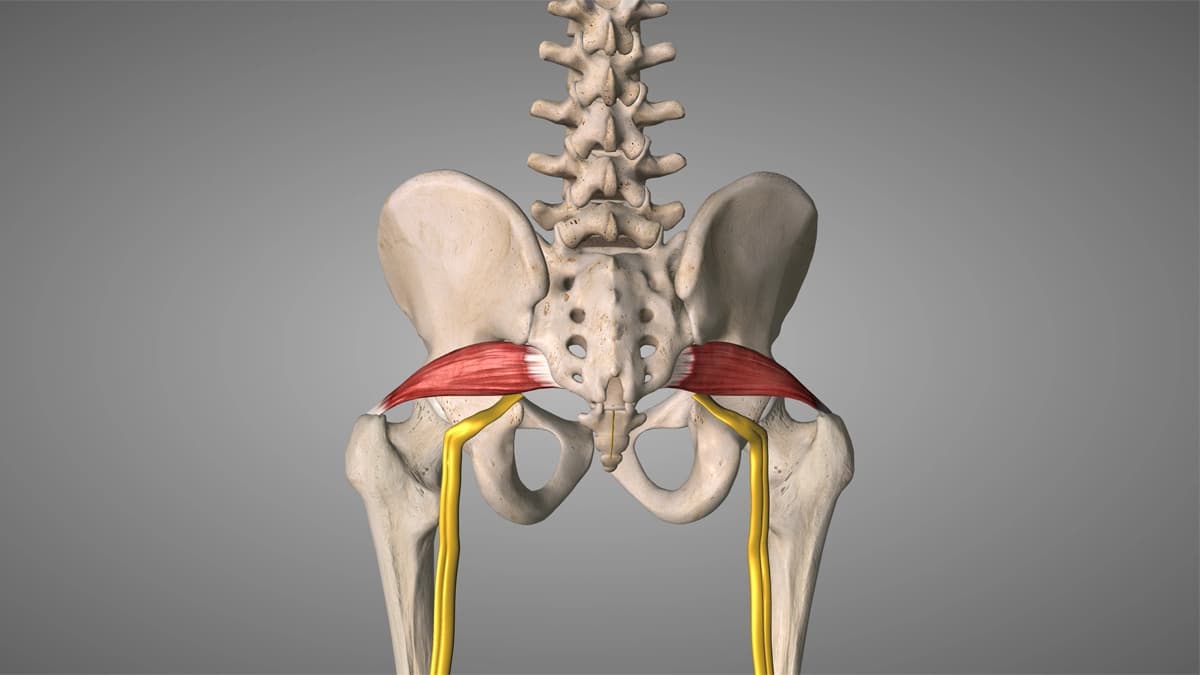
One area can show symptoms elsewhere: tight hips → low back pulling; closed chest → neck and shoulders overloaded.
Reduced range / “braked” movement
You can move, but it catches: an elastic-short feeling, lack of fluidity.
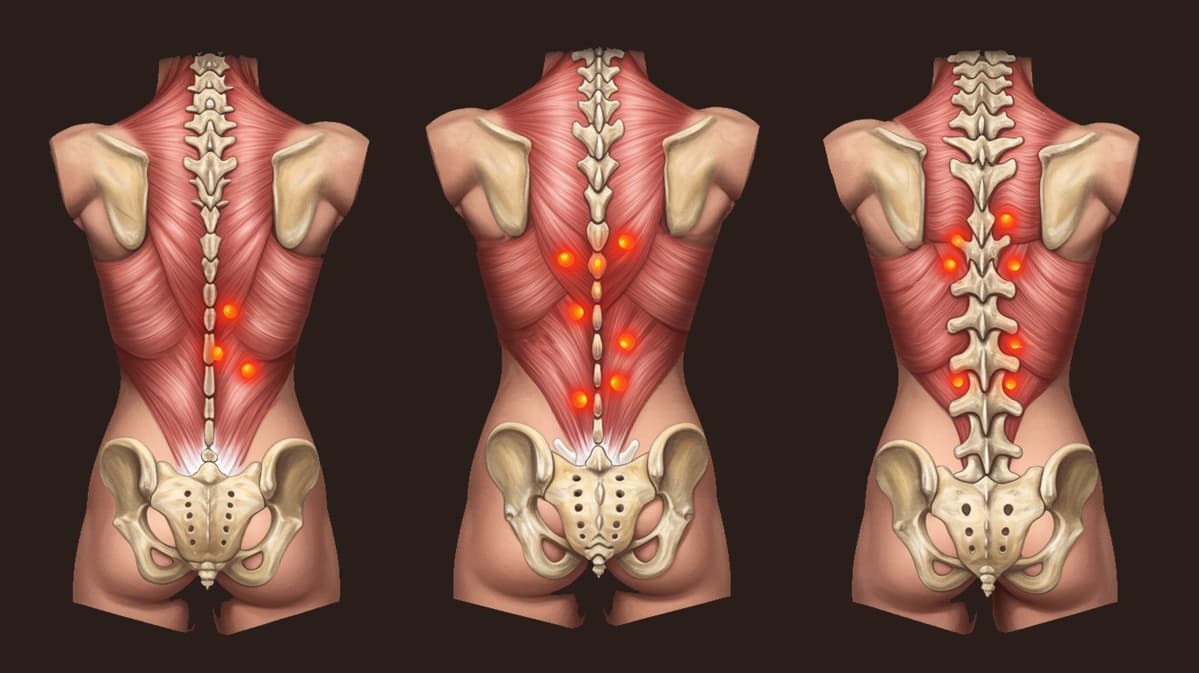
Tender spots, “knots” sensation
Some areas become very sensitive to touch or pressure, especially after fatigue or stress.
What actually helps (serious approach)
Move often, not necessarily hard
Consistency beats intensity. 3–5 minutes of mobility several times a day improves glide and reduces protective tone.
Breathing + downshifting the nervous system
If you reduce alert mode (long exhale, lower breathing), baseline tension drops — often the real lever.
Smart self-massage (ball/roller) without aggression
The goal isn’t to “break a knot”. Moderate, slow, breathable pressure is more useful than pain.
Strength + mobility (together)
Fascia loves variety. Strength through good ranges (without bracing) builds long-term stability and freedom.
Where does massage fit?
Good bodywork — especially slow and precise approaches — can improve mobility and the feeling of “unlocking” by acting on tissues and the nervous system. Best results usually come from a combo: session + small habits between sessions.
- Slow work = less defensive response.
- Global chain approach often makes more sense than “one point = one problem”.
- After a session, gentle movement helps integrate the gains.
When to seek advice (and not blame everything on fascia)
- Sharp, sudden pain or pain waking you at night
- Loss of strength, persistent numbness, radiating symptoms
- Unusual swelling, redness or local heat
- Pain that worsens despite rest and smart adjustments
Fascia FAQ
Does fascia really “stick”?
People say “sticking” to describe reduced glide and stiffness. Practically, what matters is the outcome: braked movement, background tension, sensitivity. We improve it with movement, breathing, manual work and gradual progress.
Is a foam roller necessary?
No. It’s just a tool. If you use it, keep it gentle: moderate pressure, slow pace, relaxed breathing. Too much pain can increase protective tension.
Why do I feel pain somewhere else than the tight spot?
Because the body works in chains. One stiff area forces another to compensate — which is why a global approach often works better than chasing one painful point.
How long until I feel improvement?
Sometimes after one session or a mobility routine. For long-standing patterns (chronic stress, posture, compensation), 2–4 weeks of consistency is commonly needed for stability.
Want bodywork for tension / mobility?
Send: your area (city) + main tensions + 2 time slots. I’ll reply quickly.
Book your massage
Send your area + your goal + 2 time slots, I’ll reply quickly.
Contact me →